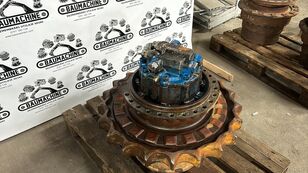
Редуктор хода Hitachi HMGC16 для среднего экскаватора Hitachi EX120-2 EX120-3


Если вы решили покупать технику по низкой цене, убедитесь, что вы общаетесь с реальным продавцом. Узнайте как можно больше информации о владельце техники. Один из способов обмана – это представлять себя за реально существующую компанию. В случае возникновения подозрений сообщите об этом нам для дополнительного контроля, через форму обратной связи.
Прежде чем вы решите совершить покупку, внимательно изучите несколько предложений по продаже, чтобы понять среднюю стоимость выбранной вами модели техники. Если цена понравившегося предложения намного ниже аналогичных предложений, задумайтесь. Значительная разница в цене может говорить о скрытых дефектах или о попытке продавца совершить мошеннические действия.
Не покупайте товары, цена которых слишком отличается от средней цены на аналогичную технику.
Не давайте согласия на сомнительные залоги и предоплаты товара. В случае сомнений не бойтесь уточнять детали, просите дополнительные фотографии и документы на технику, проверяйте подлинность документов, задавайте вопросы.
Самый распространенный тип мошенничества. Нечестные продавцы могут запрашивать определенную сумму аванса для «брони» вашего права на покупку техники. Таким образом мошенники могут собрать большую сумму и пропасть, больше не выходить на связь.
- Перевод предоплаты на карту
- Не вносите предоплату без оформления документов, подтверждающих процесс передачи денег, если во время общения продавец вызывает сомнения.
- Перевод на счет «доверенного лица»
- Подобная просьба должна настораживать, скорее всего, вы общаетесь с мошенником.
- Перевод на счет компании с похожим именем
- Будьте бдительны, мошенники могут маскироваться под известные компании, внося незначительные изменения в название. Не переводите средства, если название компании вызывает сомнения.
- Подстановка собственных реквизитов в инвойс реальной компании
- Прежде чем делать перевод, убедитесь в правильности указанных реквизитов и относятся ли они к указанной компании.
Контакты продавца

 +86 189 289...
+86 189 2896 5241


 Китай


 Китай


 Китай


 Китай

 Китай


 Китай


 Китай


 Китай

 Китай


 Китай


 Китай


 Китай


 Румыния, Maramures
 в WhatsApp
Product Overview
The EX120‑2 and EX120‑3 are the middle chapters in Hitachi's compact‑12 story — smaller cousins of the EX200, built for crews that need real dig depth without the weight of a 20‑ton machine. Decades on, these old Hitachis are still knocking around on small subdivisions, pond jobs and farm drainage, because they are simple to fix and forgiving on fuel. Under each track frame sits the HMGC16 axial piston motor and planetary reducer — the unit that turns pump flow into the slow, torque‑rich rotation pulling the 12‑ton frame across soft ground.
On an EX120 this age, the drive rarely dies suddenly. It wears down in stages: one track drifts on a straight, the track shell warms after a trundle, and a new hum works into the floor. Operators nurse it, but by the time a track hesitates on a bank, the piston block has already been shedding swarf into the oil. This aftermarket unit reproduces the HMGC16 as one sealed, bench‑run assembly, matching both the ‑2 and ‑3 builds, so the worn drive lifts out and the new one bolts straight in.
Core Advantages
1. Keeps a legacy 12‑ton machine earning
Original HMGC16 drives for the ‑2 and ‑3 builds grow scarcer every year. This aftermarket unit gives owners a path to keep a still‑useful old Hitachi on the job rather than writing it off over a dead track.
2. Simple, tough gearing that wears slowly
The HMGC layout has none of the complexity of later drives — just hardened planetary teeth meshing cleanly. No electronics to fail, no sensors to blame, just gears that last when kept sealed.
3. Even pull between the two tracks
A lapped piston block and valve plate hold pressure internally, so neither track lags. The machine tracks straight across a yard without the operator fighting a sideways tug.
4. Sealed against mud and dust of small‑site work
Old EX120s work through long days in muddy yards, puddles and dust. Fresh shaft and housing seals keep that grit out of the lube — the protection that decides whether the drive reaches its next overhaul.
5. A direct, no‑nonsense fit
Flange, studs and ports reproduce the original, so removal and refitting follow the old Hitachi manual. No adapters, no fabrication, no guessing.
Manufacturing & Quality Control
Components are machined to the original HMGC drawing, heat‑treated where wear bites, and assembled in a clean area. Each finished drive runs on a hydraulic stand while torque, leakage and noise are checked; units outside tolerance are reworked before packing. The internals are fogged with preservation oil, ports are plugged, and the unit is crated on dunnage for freight.
Frequently Asked Questions
Q1: How do the ‑2 and ‑3 drives differ?
A: The HMGC16 platform is shared across both builds, with minor internal changes over the production run. Send the machine serial number and we confirm the exact internal spec before dispatch.
Q2: Can this replace an earlier EX120‑1 drive?
A: Physically the HMGC16 family is very close, but port orientation and output spline can differ between builds. Send photos of the old drive and we will tell you honestly whether it is a straight swap.
Q3: What is the usual turnaround for an old EX120 owner?
A: Stocked units leave within days. Once it arrives, a home workshop with a track lift can often do the swap over a weekend — these old Hitachis are built to be serviced.
Q4: Do you sell just the internals if I can reuse the housing?
A: The listing is the complete assembly. If you are repairing rather than replacing, ask about piston kits, valve plates and gear sets — we can usually supply them separately.
Q5: How should I store the spare drive?
A: Keep it sealed in its crate, off the concrete and out of weather. The preservation oil and plugged ports protect the internals for months — do not unwrap until you are ready to fit.